In today's digitally-driven marketplace, ecommerce brands face intense competition. To stand out, mastering Search Engine Marketing (SEM) is crucial. SEM not only boosts your brand's visibility but also drives targeted traffic that converts. This guide explores effective strategies to elevate your ecommerce brand through SEM.
Understanding Search Engine Marketing
Search Engine Marketing is a form of internet marketing that involves the promotion of websites by increasing their visibility in search engine results pages (SERPs) through paid advertising. Unlike Search Engine Optimization (SEO), which focuses on organic traffic, SEM centers on paid strategies like Pay-Per-Click (PPC) advertising.
Key Components of SEM
- Keyword Research: Identifying the right keywords is foundational. Use tools like Google Keyword Planner or SEMrush to discover high-traffic, low-competition keywords.
- PPC Advertising: Platforms like Google Ads allow you to bid on keywords to appear in search results. Effective PPC campaigns require strategic bidding and compelling ad copy.
- Ad Extensions: Enhance your ads with additional information or features such as site links, call buttons, and product information.
- Landing Pages: Ensure that your landing pages are optimized to convert visitors. They should be relevant to the ad copy and provide a seamless user experience.
Crafting an Effective SEM Strategy
1. Set Clear Goals
Begin with a clear understanding of what you want to achieve. Are you looking to increase sales, generate leads, or boost brand awareness? Setting specific, measurable goals will guide your strategy.
2. Conduct Thorough Keyword Research
- Utilize Tools: Leverage tools like Google Keyword Planner to find keywords that align with your products.
- Analyze Competitors: Look at what keywords your competitors are targeting and identify gaps or opportunities.
3. Create Compelling Ad Copy
Your ad copy should be concise, relevant, and persuasive. Highlight unique selling propositions (USPs) and include a clear call to action (CTA).
4. Optimize Landing Pages
- Relevance: Ensure that your landing page content matches the ad copy.
- Design: Use clean designs with easy navigation.
- Speed: Optimize page load times to prevent potential customers from bouncing.
5. Leverage Ad Extensions
Ad extensions can improve your ad's visibility and click-through rate (CTR). Use them to showcase promotions, additional links, and contact information.
6. Monitor and Adjust Campaigns
Regularly analyze campaign performance using metrics such as CTR, conversion rate, and cost-per-click (CPC). Be ready to adjust strategies based on data insights.
Measuring SEM Success
Key performance indicators (KPIs) provide insights into the effectiveness of your SEM campaigns:
- Impressions: The number of times your ad is displayed.
- Clicks: How often users click on your ad.
- Conversion Rate: The percentage of clicks that result in a desired action.
- Return on Ad Spend (ROAS): Measures the revenue generated per dollar spent on advertising.
The Role of SEM in Ecommerce Growth
Effective SEM strategies can significantly impact your ecommerce business by:
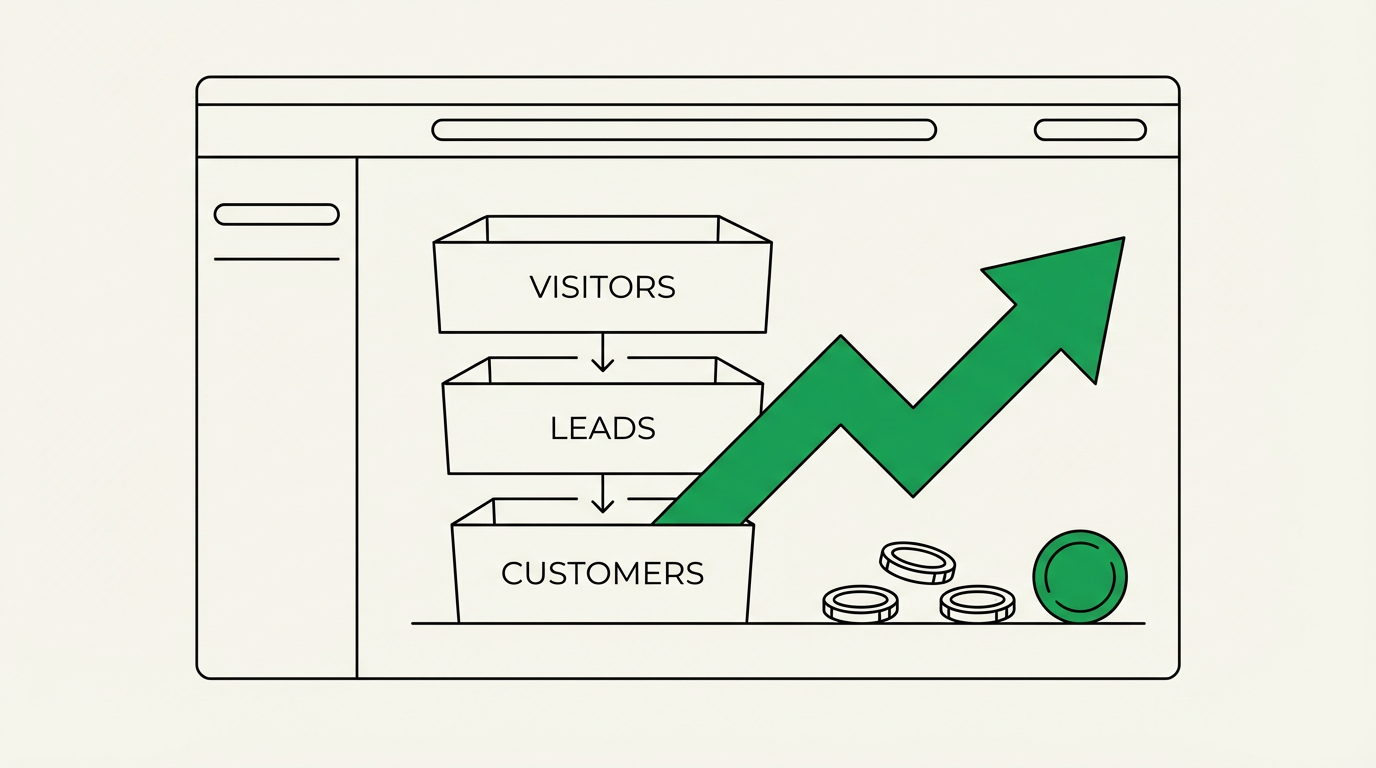
- Increasing Visibility: Paid search ads place your brand in front of potential customers actively searching for products.
- Driving Traffic: Targeted ads bring in visitors who are more likely to convert.
- Boosting Sales: By focusing on high-intent keywords, you can attract buyers ready to make a purchase.
In a competitive ecommerce landscape, Search Engine Marketing is a powerful tool to enhance your brand's reach and profitability. By implementing strategic SEM practices, ecommerce brands can effectively drive traffic, increase conversions, and achieve their business objectives. Keep refining your approach based on performance data to maintain and grow your online presence.
Embark on your SEM journey today and watch your ecommerce brand thrive in the digital marketplace.