In the ever-expanding world of ecommerce, standing out is more crucial than ever. With countless brands vying for attention, how do you ensure your business captures the hearts and minds of your audience? The answer lies in effective branding and logo design.
Why Branding Matters for Ecommerce
Branding is more than just a logo or a catchy tagline; it's the holistic perception of your business in the minds of consumers. A strong brand conveys your company's values, personality, and promise, creating a meaningful connection with your audience.
Key Benefits of Branding:
- Trust and Credibility: A consistent and professional brand image builds trust, making customers more likely to choose your products over competitors.
- Customer Loyalty: Strong branding fosters emotional connections, encouraging repeat purchases and fostering brand loyalty.
- Market Differentiation: Effective branding highlights your unique selling propositions, setting you apart in a crowded market.
- Increased Recognition: A memorable brand is easily recognized, which increases visibility and recall.
The Role of Logo Design in Branding
A logo is often the first visual interaction a customer has with your brand. It's more than just a pretty picture; it’s a symbol that encapsulates your brand's essence.
Elements of a Great Logo:
- Simplicity: A clean and uncomplicated design is easier to recognize and remember.
- Relevance: Your logo should reflect your brand’s personality and industry.
- Versatility: A good logo works across various mediums and formats without losing impact.
- Timelessness: Aim for a design that remains relevant and effective over time.
- Memorability: A unique logo sticks in the minds of consumers, enhancing brand recall.
Steps to Create a Compelling Logo
Creating a logo that effectively represents your brand involves thoughtful planning and execution. Here’s how to get started:
1. Understand Your Brand Identity
Begin by clarifying your brand's mission, values, and target audience. What do you want your logo to communicate? Define your brand’s personality to guide the design process.
2. Research the Competition
Analyze logos of competitors within your niche. Identify what works and what doesn’t, ensuring your logo is distinct and avoids clichés.
3. Choose the Right Design Elements
Select colors, fonts, and symbols that align with your brand's vibe and values. Remember, colors evoke emotions: blue conveys trust, while red signifies passion and energy.
4. Sketch and Conceptualize
Create multiple sketches, experimenting with different concepts. This stage is about exploration, so don’t hold back on creativity.
5. Refine Your Design
Narrow down your choices to the best concepts. Refine these designs, focusing on simplicity and clarity.
6. Seek Feedback
Gather opinions from stakeholders or a focus group. Constructive feedback can provide valuable insights and improvements.
7. Test Across Different Platforms
Ensure your logo looks good on various platforms and sizes. It should be as effective on a business card as it is on a billboard.
Branding Beyond the Logo
While a logo is a fundamental part of your brand identity, it’s just the beginning. Here are additional elements to consider:
- Brand Voice: The tone and style of your communication should be consistent across all channels.
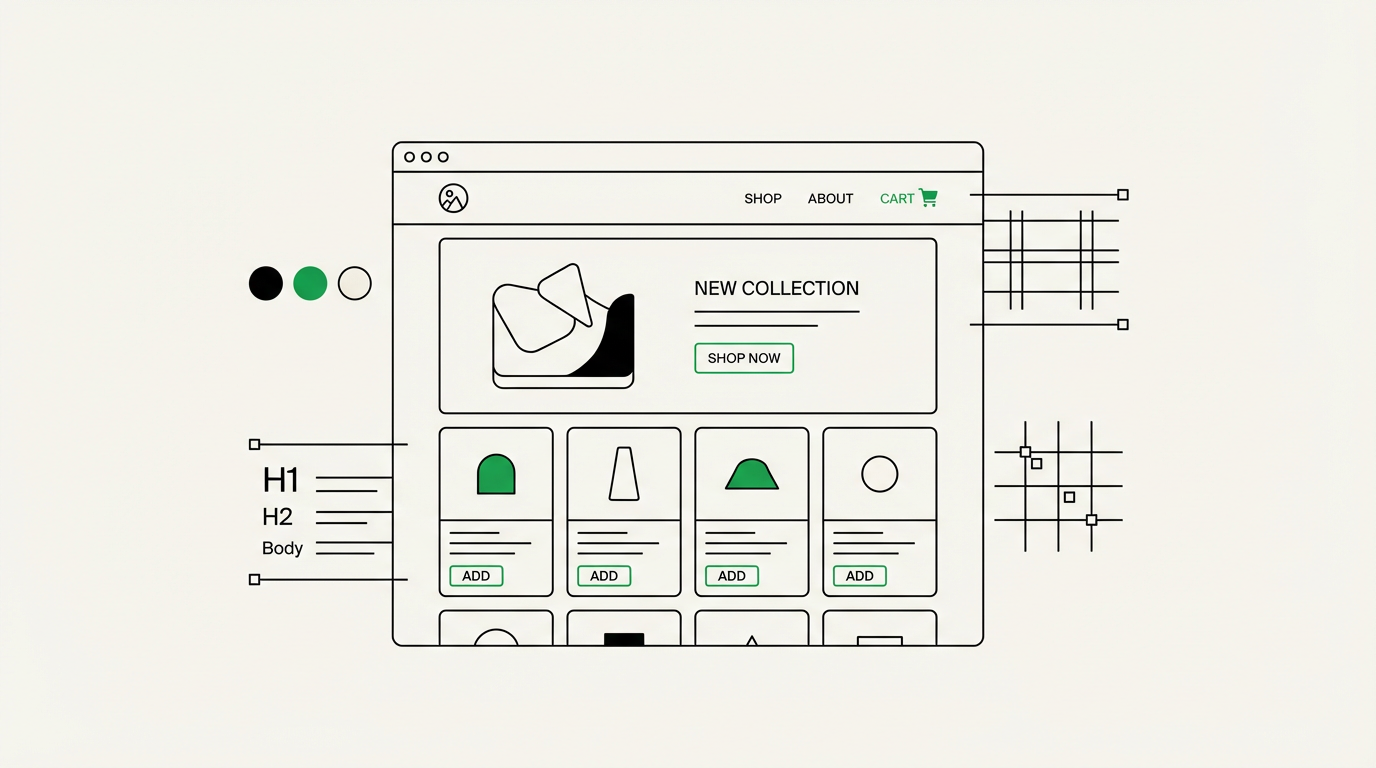
- Visual Style: Use a cohesive color palette, typography, and imagery that aligns with your brand.
- Customer Experience: Every interaction with your customers should reflect your brand’s values, from customer service to product packaging.
Conclusion
In the competitive arena of ecommerce, a well-crafted brand and logo can be the difference between a fleeting presence and a memorable legacy. By investing time and resources into developing a strong brand identity, you set the stage for lasting connections with your audience.
Remember, your brand is the story people remember. Make sure it’s one worth telling.